

Saliency maps for CNN
Gives some intuition of attention
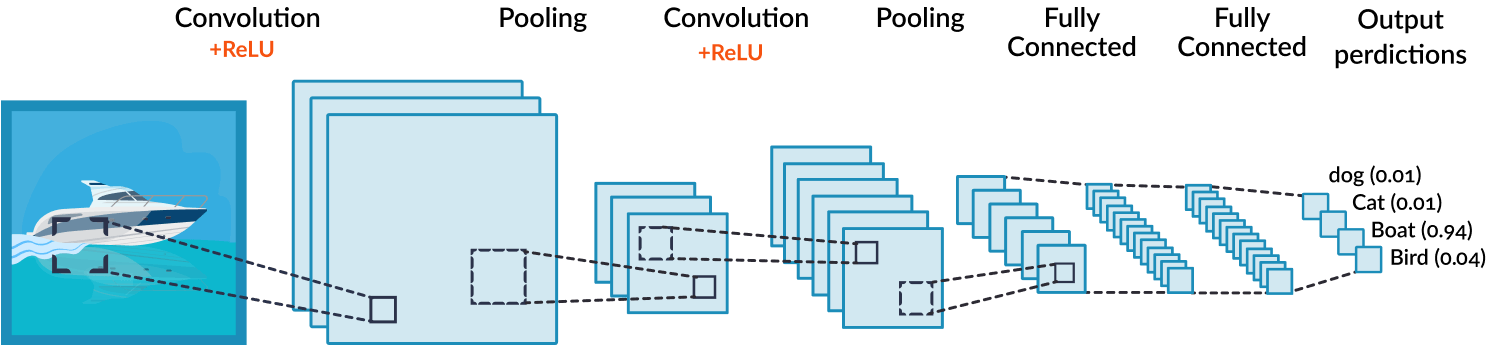
First Introduced in 2013
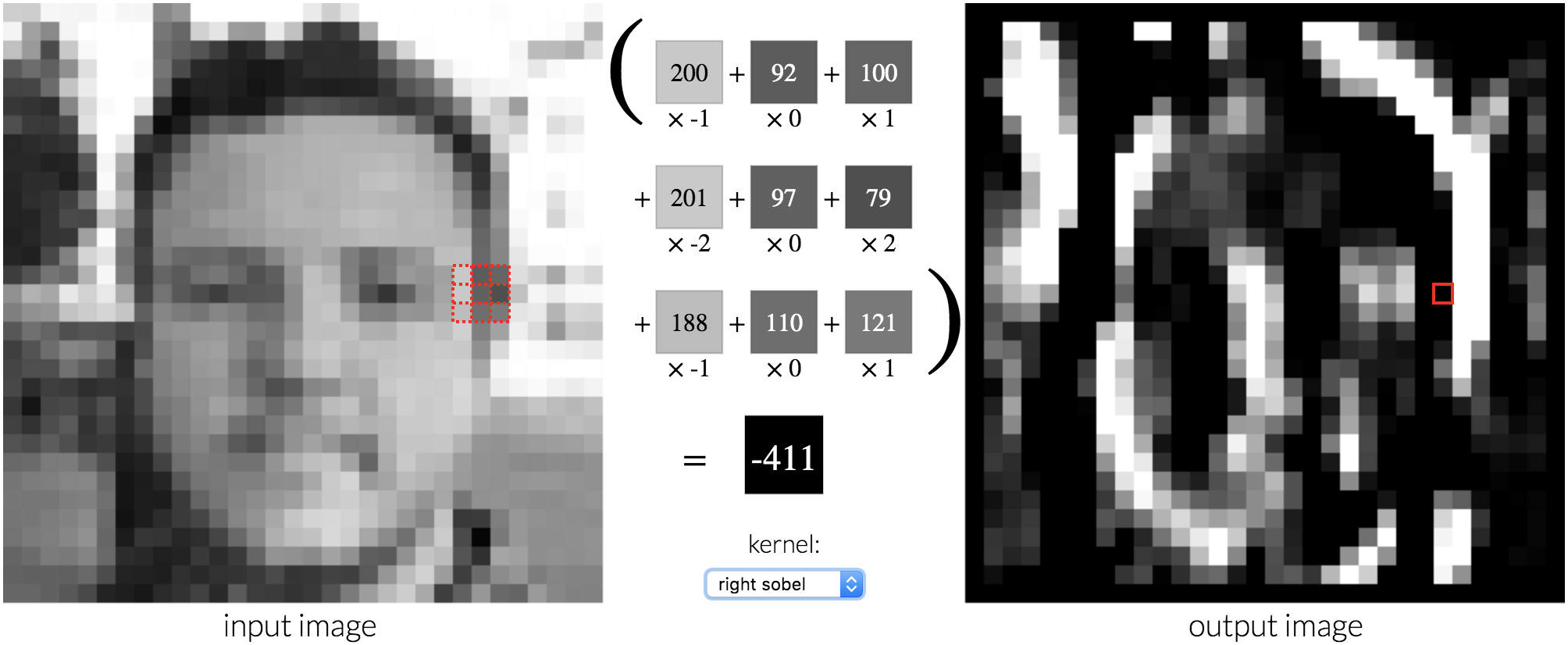
Calculates the relationship (or gradients) between output label & input image pixels
Positive gradients == positive effects on the confidence of the label
Introducing FlashTorch
Open source feature visualization toolkit
Supports torchvision models & custom PyTorch models
Available to install via pip
$ pip install flashtorch
Prepare an input 🐦
from flashtorch.utils import load_image, apply_transforms, denormalize, format_for_plotting

image = load_image('../../examples/images/great_grey_owl.jpg')

owl = apply_transforms(image)

print(f'Before: {type(image)}')
print(f'After: {type(owl)}, {owl.shape}')

plt.imshow(format_for_plotting(denormalize(owl)))
plt.title('Input tensor')
plt.axis('off');

Create a Backprop object
from flashtorch.saliency import Backprop

model = models.alexnet(pretrained=True)

backprop = Backprop(model)
Visualize saliency maps
from flashtorch.utils import ImageNetIndex

imagenet = ImageNetIndex()
target_class = imagenet['great grey owl']

backprop.visualize(owl, target_class, guided=True)

What about other birds?
What makes peacock a peacock?
peacock = apply_transforms(load_image('../../examples/images/peacock.jpg'))
target_class = imagenet['peacock']

backprop.visualize(peacock, target_class, guided=True)

... or a toucan?
toucan = apply_transforms(load_image('../../examples/images/toucan.jpg'))
target_class = imagenet['toucan']

backprop.visualize(toucan, target_class, guided=True)

What about when it gets things wrong?
Is FlashTorch still useful?
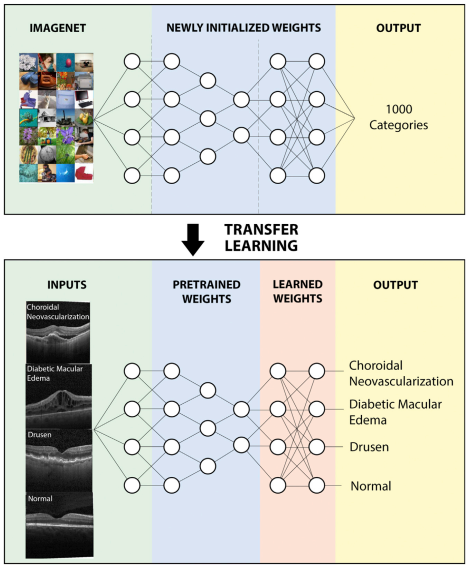
Building a flower classifier
- Get a model, pre-trained with the ImageNet dataset (1000 classes)
- Swap out the last layer (102 classes) --> Un-tuned
- Train with a flower dataset --> Tuned
Un-tuned model: 0.1% accuracy on the test dataset 😅
Why is it so bad? Let's take a look.
plt.imshow(load_image('images/foxgloves.jpg'))
plt.title('Foxgloves')
plt.axis('off');

backprop = Backprop(untuned_model)

backprop.visualize(foxglove, class_index, guided=True)

After training, the tuned model achieved >98% test accuracy 🎉
But how? What is it seeing now? 🤔
backprop = Backprop(tuned_model)

backprop.visualize(foxglove, class_index, guided=True)

Show, don't tell - visualization is a powerful tool.
Model explainability
With feature visualization, we're better equipped to:
Focus on the mechanisms of how & what neural nets learn
Diagnose what and why the network gets things wrong
Spot and correct biases in algorithms
A step forward towards understanding & trusting AI 😌
Thank you 🙏
Checkout FlashTorch on GitHub
Suggestions & contributions welcome!
📡 Slide deck @ tinyurl.com/flashtorch-ldn-meetup